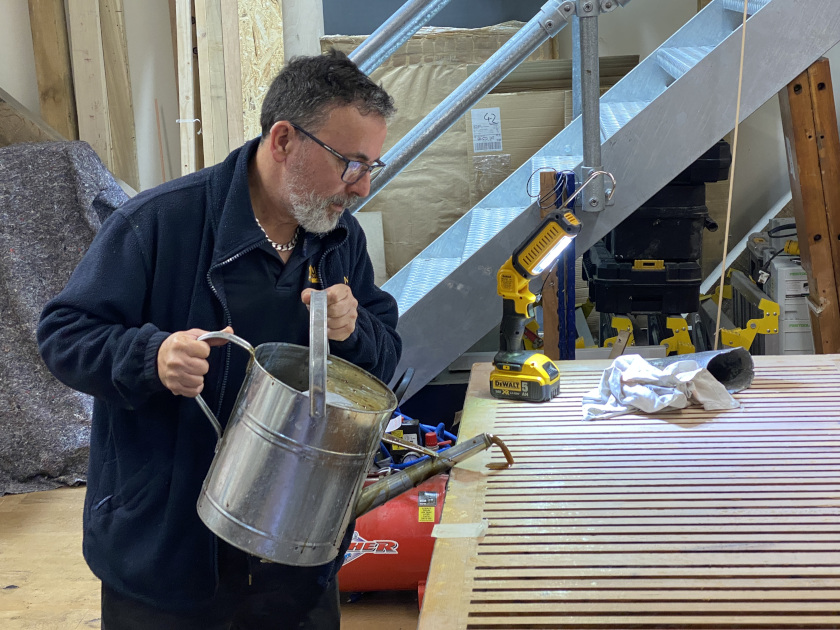
At the very start of September I enjoyed the company of fellow Diocesan Organ Advisers at our annual conference, held this year in Canterbury (where my gifted god-son, Dr David Newsholme, happens to be Director of Music at the cathedral). A visit to the new rural workshops of Mander Organs was one of several interesting elements.
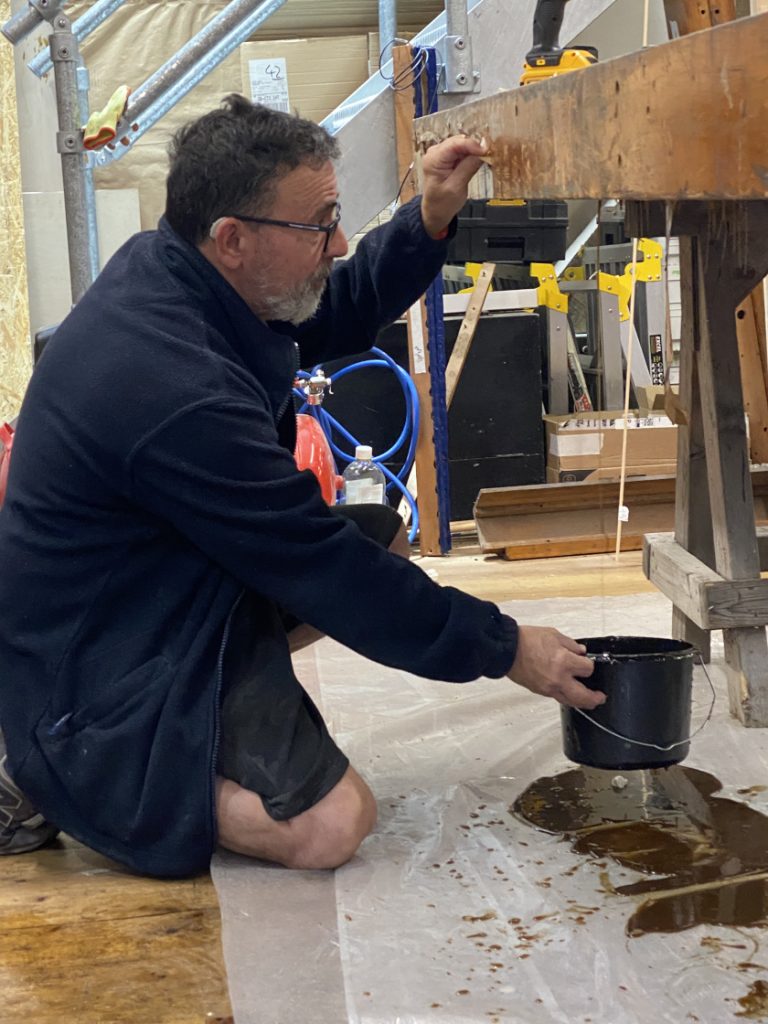
It’s rare to be visiting an organ-builder when a slider soundboard is being glue-flooded; these two photos capture that.
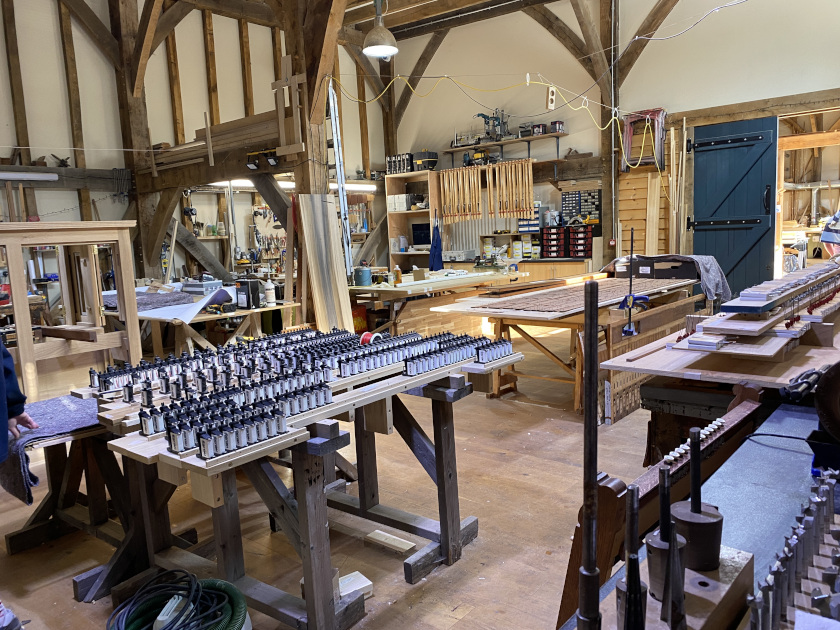
This is a view of about half the downstairs workshop – a delightful place in which to work. At present one of the Mander team’s tasks is rebuilding with electro-pneumatic action and rehoming (in St John the Divine, Kennington) the organ the firm (when in London) built in 1994 for St John’s College Cambridge, Cambridge. Elements of the new soundboard actions can be seen in this photo.
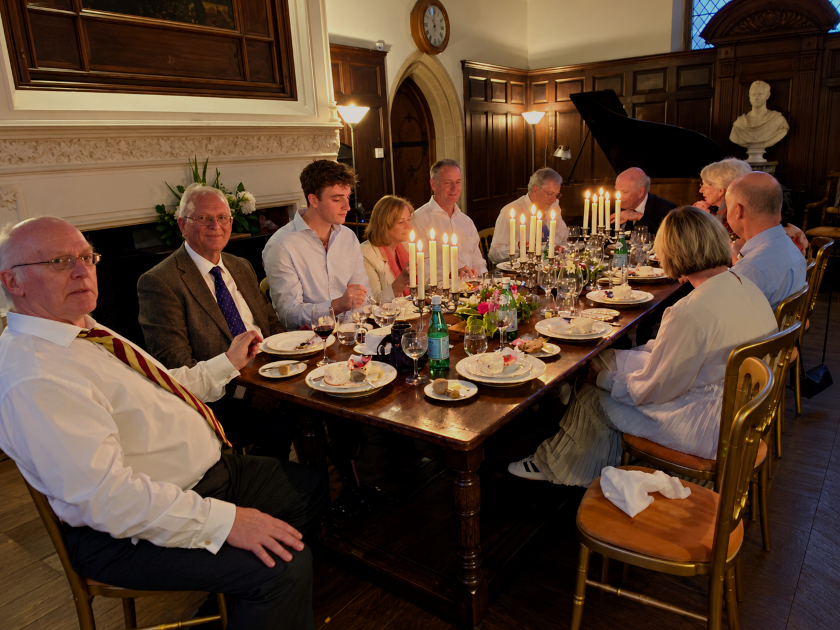
On 5th September Anne and I had the enormous pleasure at being guests at an intimate candle-lit dinner at Newlands (the Beauchamp Almshouses and St Leonard’s church, between Worcester and Malvern), planned by Colin Brownlee, who runs the extraordinary Archive of Recorded Church Music from there. Barry was to give a recital the following day on the delightful John Nicholson organ in the church.
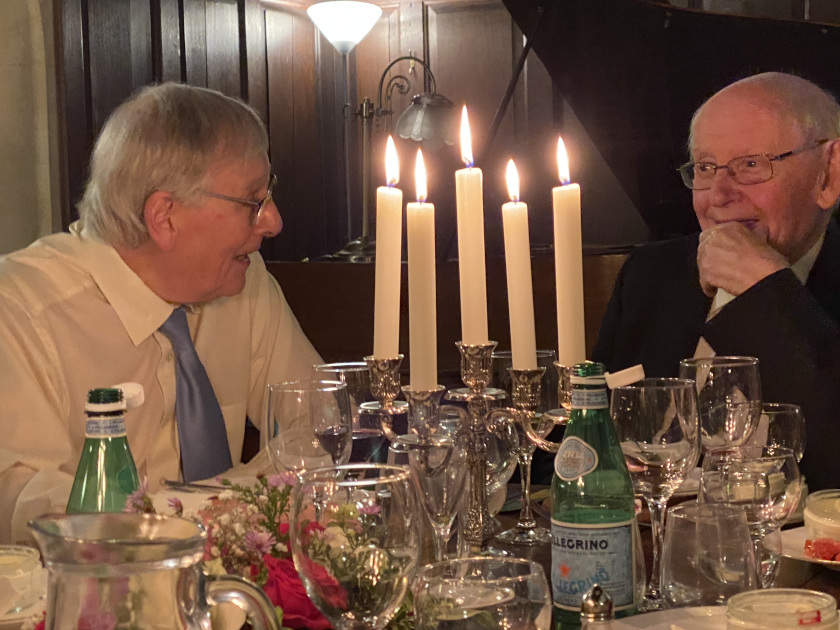
Barry and Roy sat at the end of the table, seemingly with an unending stream of funny stories to tell one another. A smashing evening!
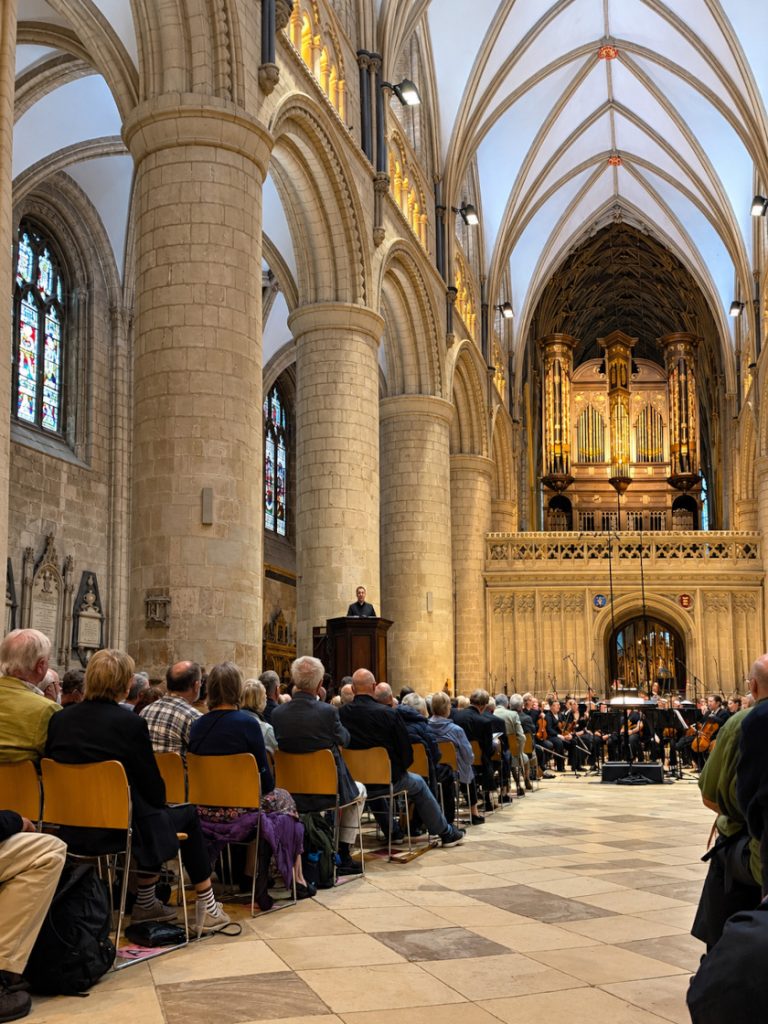
The conclusion of Gloucester Cathedral’s organ project has proved an enormous triumph for Nicholson & Co Ltd, whose new instrument there is winning universal plaudits. On 12th September Anne and I were guests at a concert featuring the BBC National Orchestra of Wales, Thomas Trotter and Adrian Partington.
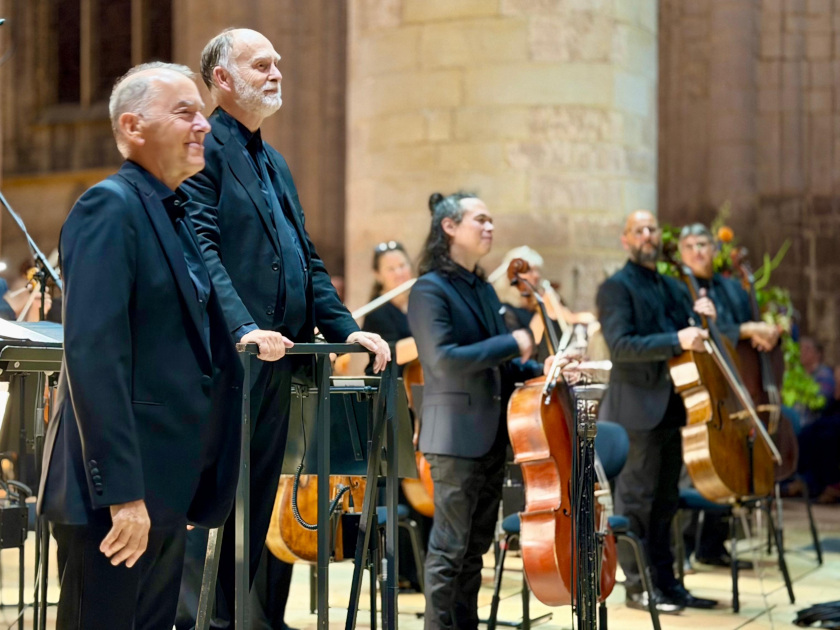
A spectacular arrangement for organ and orchestra of Gigout’s Grand Chœur Dialogué launched the proceedings – organ and orchestra in perfect balance. The second half of the evening was the Saint-Saëns Symphony III (the ‘organ’ symphony); a predictable choice given a truly impressive performance. But for me the knock-out work of the evening was the second item in the first half, Joseph Jongen’s wonderful and rarely-performed virtuosic 4-movement 1924 Symphonie Concertante pour grand orgue et orchestra. An inspired work in Jongen’s delicious late-Impressionist harmonic style, it traverses every imaginable mood and texture, from deep pathos to blazing triumph in the final Toccata (moto perpetuo) which stretches all players to the limit. A full cathedral rose to its feet in a lengthy and well-deserved standing ovation.
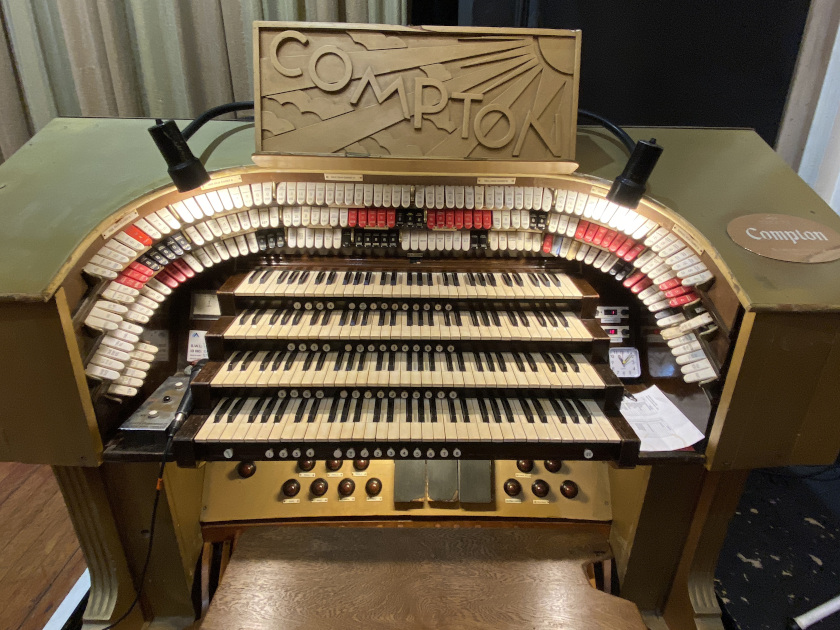
Thursday of the following week saw me in Bournemouth, to advise Bournemouth’s R.C. Oratory about the possible installation of a fine redundant Compton organ. Whilst there I attended an attractive lunchtime concert at the Bournemouth Pavilion by the talented and popular Michael Wooldridge. It was good to close my eyes and imagine one of my heroes – Percy Whitlock – at the keys, as it was ‘his’ organ from 1932 until his tragically early death in 1946.
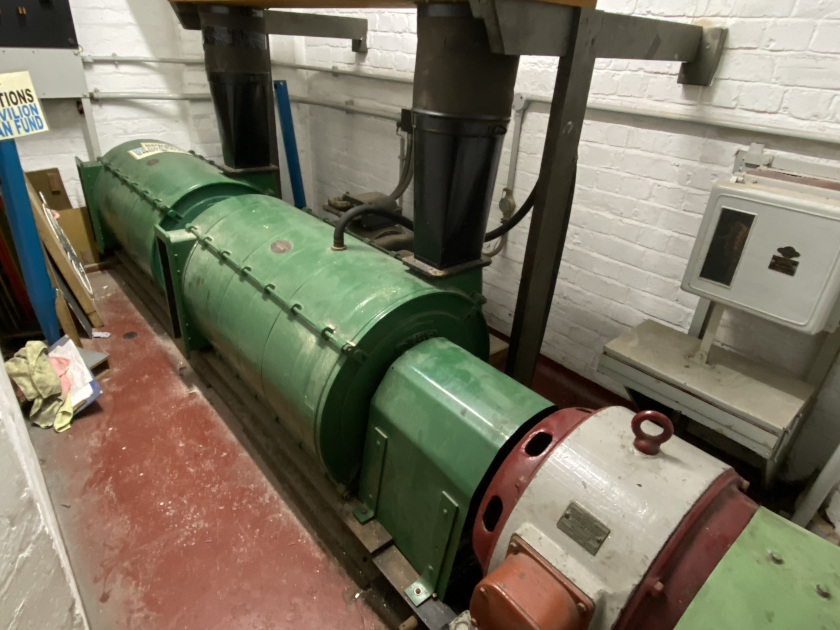
It is one of John Compton’s largest concert organs (built in 1929 and revised in 1934), the largest being only 32 miles away, in Southampton Guildhall. Its wind demand and high wind pressures can be imagined from looking at this photo of the monster blowing plant, by Watkins & Watson.
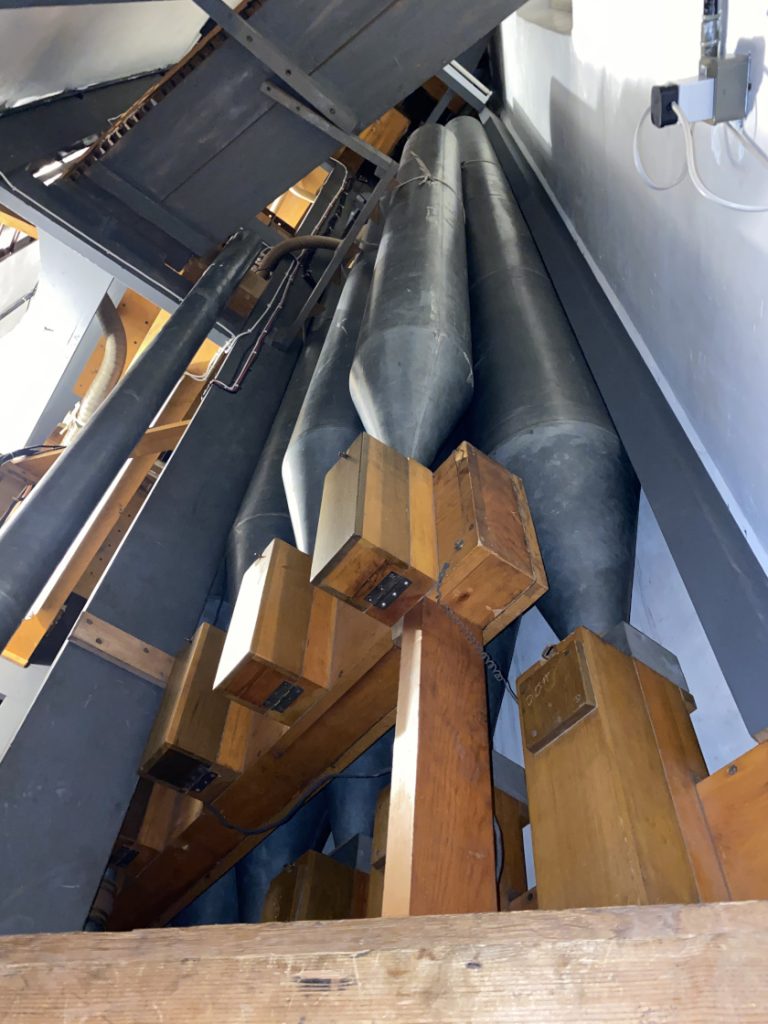
John Compton loved copious basses in his organs – he aimed for a 16ft bass stop for every type of manual stop. On this organ there are two 32ft ranks, one of them being of diaphonic pipes – the largest (bottom D sharp) is seen in this photo from beneath; I didn’t venture climbing any higher!
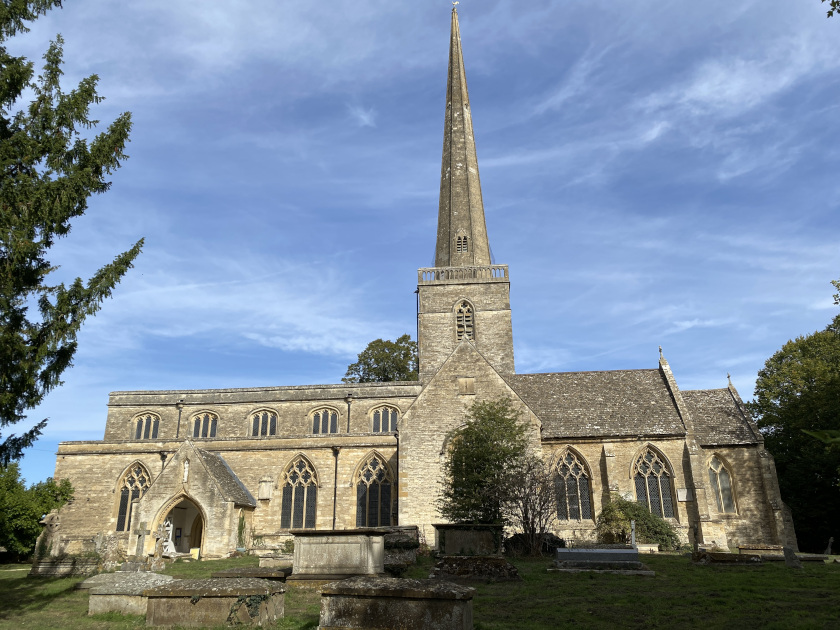
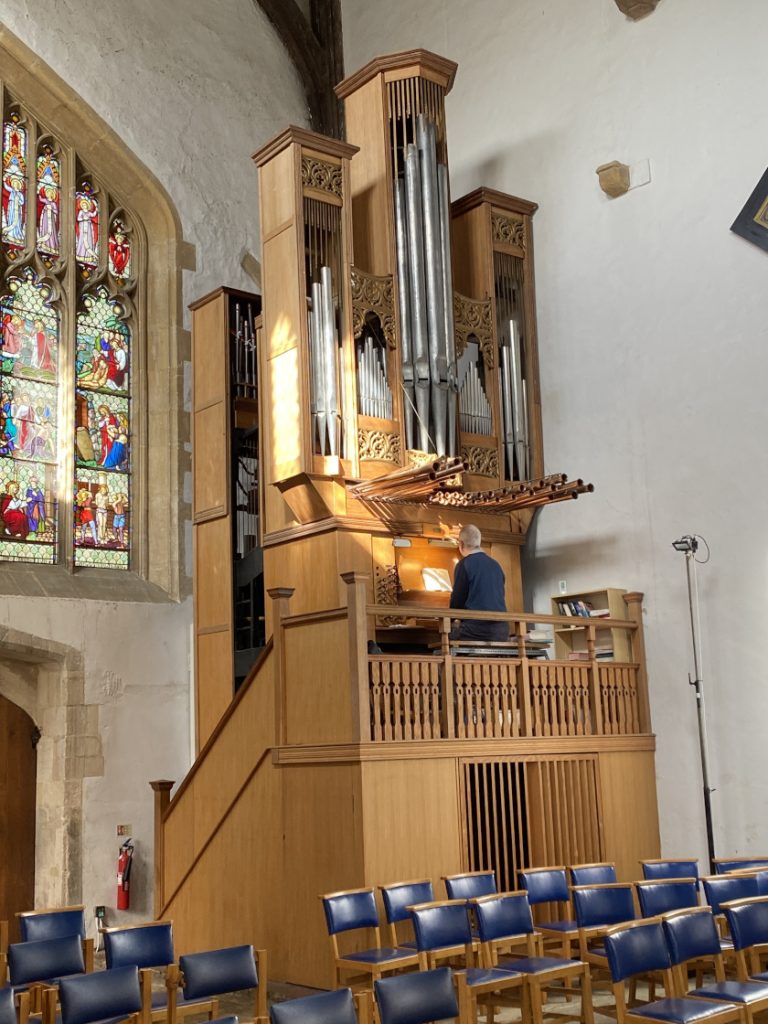
On my way to Oxford for the event mentioned below, I stopped at St Mary’s, Kidlington, to meet my old friend and colleague, Richard Vendome. He designed and together we built an organ at the west end of the church during my PGCE year (1974-5) which Richard completed during 1976. Based on the church’s small and altered Father Willis, we replaced most of the pipes with new ranks made by Giesecke to Richard’s carefully-researched scales. Of course the stop list is ‘classical’: what else, in 1975? Fortunately it sounds fine in the church and still works well. David Briggs, who enjoyed playing it as a youth, will return on November 8ft (Sunday 3pm) to give a celebratory 50th anniversary recital.
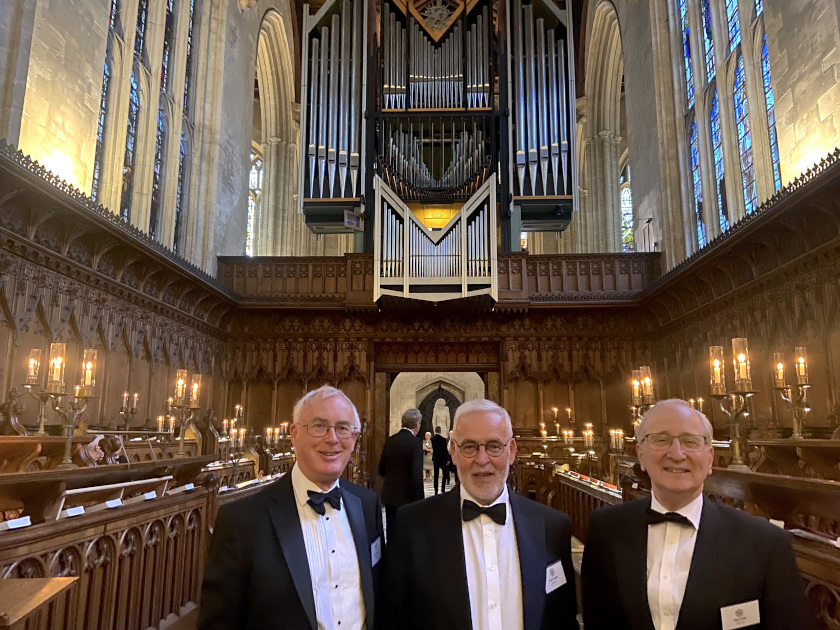
My final September treat was in attending the New College (Oxford) Gaude for my generation (1971-4) – only the second Gaude for this generation since our graduation, so not to be missed. After a fine Choral Evensong, there was just time (before the sumptuous dinner) to take a ’Three Pauls’ photo – all of us former NC organ scholars on the new GDB organ, under Dr (later Sir) David Lumsden. I matriculated in 1971, Paul Trepte in 1972 and Paul Ferguson [Bishop of Whitby, 2014-24] in 1972. Sadly missing was Prof. Patrick Russill KSG, who was a contemporary of Paul Trepte’s in the organ loft. It was so good to spend time together once more. And the food and wine were pretty good, too…